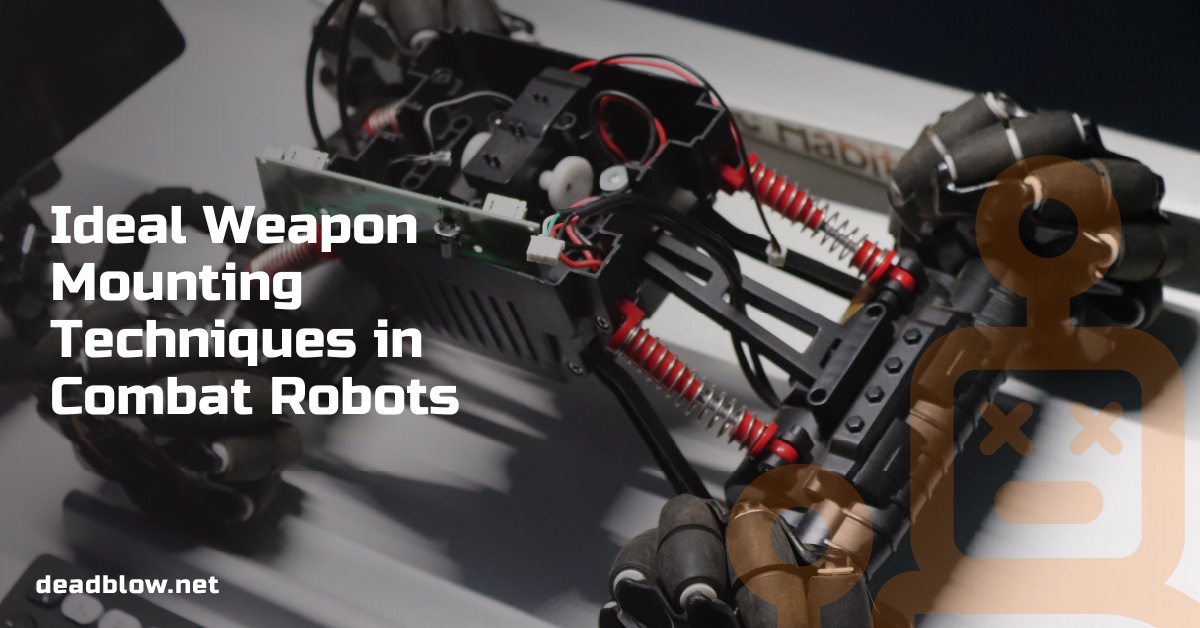
In the world of combat robots, the right way to mount weapons is key. It’s not just about attaching them securely. It’s also about making sure they work well during tough competitions. Teams need to think about the robot’s weight, the competition type, and the weapon’s design.
Knowing how to mount weapons can really help a robot do well and stay safe in the arena. It’s all about finding the right balance. For example, Algos, made from titanium, uses advanced parts like Silver Spark gearmotors from Fingertech Robotics.
Building a strong weapon system is important. It needs to be stable and able to attack hard. The use of special parts, like a custom bearing and heat-treated shafts, shows the skill needed. As combat robots get better, learning how to mount weapons well is more important than ever.
Understanding Combat Robot Weight Classes
Combat robots are divided into several weight classes. Each class affects how a robot is designed and built. Knowing about these classes is key for those wanting to compete in robot fights. Classes range from 75 grams to 340 pounds, with names like Fleaweight and Heavyweight.
Overview of Weight Classes
Each weight class has its own benefits and challenges. For example, the Fairyweight class is for beginners. It has a 150-gram limit and is affordable. Antweight robots, at 1 lb, are great for newbies, using 3D printing and cheap parts.
- Beetleweight (3 lbs) is competitive, thanks to its brushless motors and custom parts.
- Hobbyweight robots (12 lbs) are creative, using materials like aluminum and steel.
- Dogeweight (15 lbs) is for students, teaching engineering in a fun way.
- Featherweight (30 lbs) is for experienced builders, focusing on reliability.
Lightweight (60 lbs), Middleweight (120 lbs), and Heavyweight (220 lbs) classes are more expensive. Heavyweights, like those in BattleBots, can cost over $15,000. Even smaller robots can be pricey, needing special electronics.
Choosing the Right Class for Your Robot
Choosing a combat robot class is a big decision. It depends on your interests, budget, and design skills. Smaller classes offer exciting designs, while bigger ones require more money and expertise.
When picking a class, think about your robot’s weapons and performance. Robots with vertical or drum spinners are powerful. Each class has its own design challenges and opportunities. Making the right choice is key to success in robot fights.
Essential Components for Weapon Mounting
Choosing the right parts for mounting weapons on combat robots is key for top performance. Good weapon integration boosts the robot’s fight skills and makes it last longer. Builders need to pick the best robotics parts, like drive motors, weapon motors, and strong transmission systems.
Key Components for Effective Weapon Integration
High-quality motors are a must for weapon mounting. Builders choose direct current motors with 3 to 72 volts for their power. LiPo batteries are also popular for their light weight and high energy, keeping robots fast and strong.
The material of the chassis is also important. Steel is great for stopping punctures, but polycarbonate is lighter and absorbs energy well, protecting the robot in fights.
Parts like bearings, shafts, and axles are key for holding the weapon in place. A well-planned layout makes it easy to fix and update the robot after battles. Using parts from other robots can save money, as long as they work well and are safe. Knowing the weight classes helps builders pick the right parts for their robot, making sure it meets competition rules.

Thomas Hyde is an advocate for technological innovation and high-octane competitions, embodying his passion through Dead Blow, a premier website dedicated to the dynamic universe of Battle Bots, Robot Wars, and home-built combat robots. With a rich background in engineering and a lifelong fascination with robotics, Thomas created Dead Blow to serve as a hub for enthusiasts and builders alike.