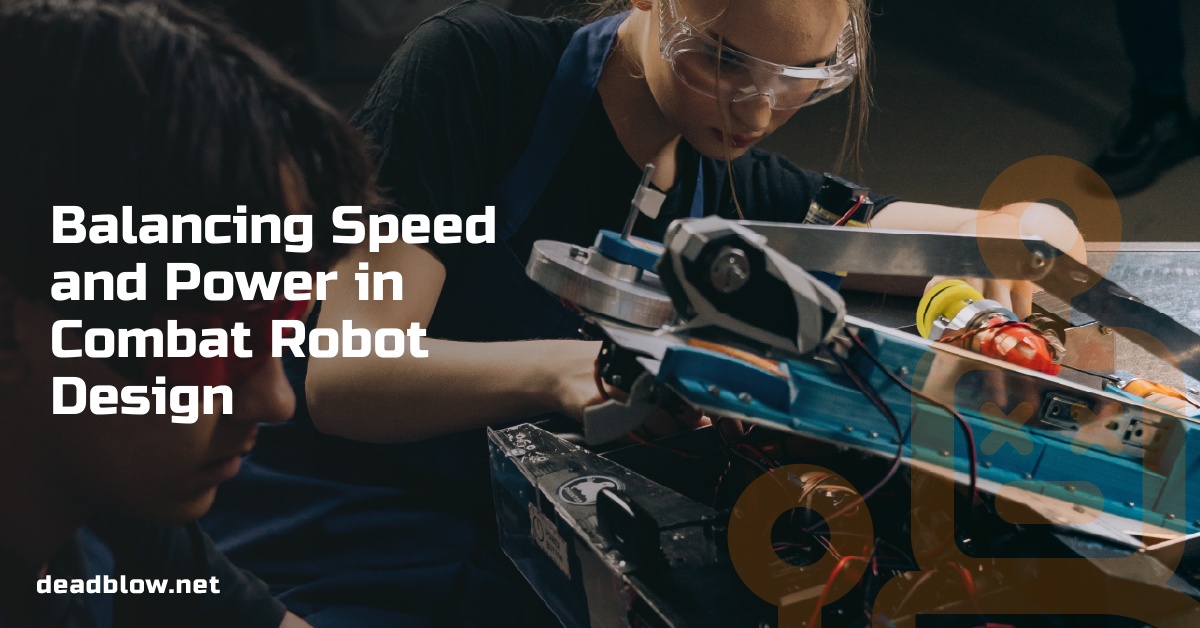
In the world of combat robotics, finding the right balance between speed and power is key. Builders must understand how these two elements work together to succeed. The design of a robot’s weapon is critical, as it affects the robot’s performance.
For example, in the 60-kilo weight class, a spinning weapon needs to store at least 3600 joules of energy. Ideally, it should hold double that amount. This shows how important it is to follow established rules to improve efficiency.
There are different types of robots, like horizontal spinners and lifters. Knowing how to manage and optimize these elements is vital. This section will dive into the design principles that can give a robot an edge in competitions.
Understanding Combat Robotics: Fundamentals and Design Principles
Combat robotics is a mix of technology and competition. It involves autonomous machines, or combat robots, designed for battles. They show off different weapons and designs. Knowing the basics and design rules is key for those in this field.
Definition of Combat Robots
Combat robots are made for competitions. They must handle big impacts and hit hard. They come in different sizes, or weight classes.
- Antweight (up to 150g)
- Beetleweight (up to 1.5kg)
- Featherweight (up to 13.6kg)
- Heavyweight (up to 110kg)
Each size has its own challenges. Builders must tailor their robots to meet specific rules and goals.
Importance of Design Principles in Robotics
Good design is vital for combat robots. Important factors include:
- Materials: Robots need to be tough and affordable.
- Motor Selection: The right motors affect speed and power.
- Control Systems: Easy-to-use and safe systems are key.
- Wiring: Correct wiring is vital for smooth operation.
Using CAD for robotics helps in planning designs. It lets builders test their ideas before building. Learning these design principles helps in creating safe and effective robots.
Balancing Speed and Power in Combat Robot Design
Creating a combat robot is all about finding the right mix of speed and power. These two elements are key to how well a robot performs. To measure success, we look at things like speed power ratio, how much energy it can store, and how well its weapons work.
Robots need to store at least 60 joules of energy for every kilo of their weight. This lets them pack a big punch in battles. They use high-tech motors that spin fast to transfer energy efficiently.
Key Metrics for Performance Evaluation
Speed power ratio and energy storage are vital for winning in combat. To get the best results, robots need the right parts. For example, a light but strong electronic speed controller can make them more agile.
Robots also need reliable motors, like the Silver Spark, to last through tough fights. Good designs aim to be light but strong. This way, robots can move quickly and hit hard.
Examples of Speed vs. Power in Robot Types
There are different types of combat robots, each with its own strengths. Ram bots focus on power to deal massive damage. On the other hand, horizontal spinners use speed to pack a punch.
Each robot type has its own goals. Some aim to hit fast, while others try to take a beating and then strike back. Knowing these differences helps teams make better choices for their robots.

Thomas Hyde is an advocate for technological innovation and high-octane competitions, embodying his passion through Dead Blow, a premier website dedicated to the dynamic universe of Battle Bots, Robot Wars, and home-built combat robots. With a rich background in engineering and a lifelong fascination with robotics, Thomas created Dead Blow to serve as a hub for enthusiasts and builders alike.