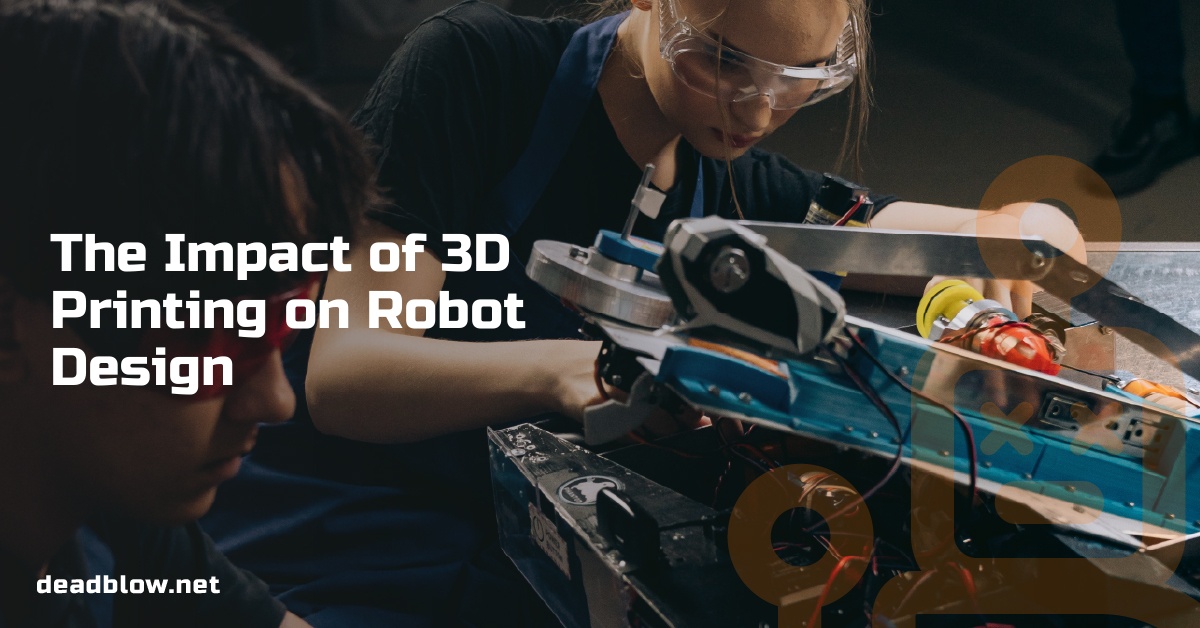
3D printing, also known as additive manufacturing, is revolutionizing the field of robot design. It allows us to create complex, customized parts with greater speed and cost-effectiveness. This technology is transforming the way we prototype, manufacture, and test robots, resulting in improved product design, reduced production time, and increased flexibility in creating intricate and unique robotic designs. With 3D printing, the possibilities in robot design are virtually limitless.
Benefits of 3D Printing in Robotics
When it comes to robotics, the incorporation of 3D printing technology brings a multitude of benefits. By leveraging the power of additive manufacturing, engineers can now design, manufacture, and test robot parts with unprecedented speed and cost-effectiveness. This revolutionary approach allows for the creation of complex geometries and customized designs, tailored specifically to the unique requirements of robotic applications.
One notable advantage of 3D printing in robotics is its ability to significantly reduce both time and cost. Traditional methods of designing and manufacturing robot parts could take months, but with 3D printing, this timeframe is condensed to just a matter of days. This accelerated timeline enables faster product development and reduces the overall manufacturing cost, making it an attractive option for companies in the robotics industry.
Improved Design Flexibility and Quality Assurance
Another key advantage of 3D printing in robotics is the unparalleled design flexibility it offers. Engineers can now create intricate geometries and integrate multiple materials into a single object, showcasing the true potential of robotic designs. This level of design freedom is not achievable with traditional manufacturing methods, allowing for the exploration of new possibilities and pushing the boundaries of what robots can accomplish.
Additionally, the quality assurance process in robot production is greatly enhanced through 3D printing. The fast and cost-effective production rate of additive manufacturing allows for the quick production of physical prototypes. These prototypes can be thoroughly tested for flaws, refined, and printed again in a short span of time. This iterative process ensures continuous improvement in production design and the production of high-quality robot parts and products.
| Benefits of 3D Printing in Robotics | Explanation |
|---|---|
| Reduced Time and Cost | 3D printing accelerates the design and production process, resulting in significant time and cost savings. |
| Design Flexibility | 3D printing enables the creation of complex geometries and the integration of multiple materials, pushing the boundaries of robot design. |
| Improved Quality Assurance | The iterative nature of 3D printing allows for quick prototyping and thorough testing, leading to high-quality robot parts and products. |
Speed and Efficiency in Robot Design
When it comes to the design of robots, speed and efficiency are of utmost importance. With the advent of 3D printing technology, we have seen a significant transformation in the way robot design is approached. The ability to quickly design and produce complex parts without the need for expensive machinery or minimum order constraints has revolutionized the speed at which robots can be developed.
In the past, the process of designing, manufacturing, and testing robot parts could take months. However, with 3D printing, this timeframe has been drastically reduced to a matter of days. This accelerated timeline allows companies in the manufacturing and robotics industry to bring their products to market much faster, giving them a competitive edge in the industry.
Not only does 3D printing speed up the design process, but it also enhances efficiency. The technology enables engineers to iterate and refine designs more quickly, resulting in improved product performance and functionality. By eliminating the need for traditional manufacturing methods that often involve lengthy production cycles and lead times, 3D printing streamlines the entire robot design process, resulting in increased efficiency and productivity.
| Benefits of 3D Printing in Robot Design |
|---|
| Reduces design, manufacturing, and testing time |
| Enables rapid iteration and refinement of designs |
| Shortens time to market for robotic products |
| Increases overall efficiency and productivity |
As technology continues to advance, we can expect even greater speed and efficiency in robot design. With ongoing developments in 3D printing and other additive manufacturing techniques, the possibilities for creating innovative and highly efficient robots are virtually limitless.
Cost Savings in Robot Design
When it comes to robot design, cost is always a significant consideration. This is where 3D printing comes in, offering a plethora of cost-saving benefits. Unlike traditional manufacturing methods that require expensive machinery and labor, 3D printing reduces the need for these resources, ultimately lowering production costs. With 3D printing, designers can create parts from scratch, eliminating the waste associated with carving them out from larger blocks of material.
Moreover, 3D printing allows for the production of customized parts in smaller quantities, eliminating the need for large-scale production. This means that upfront costs are significantly reduced, as designers only need to produce the exact number of parts they require. The result is a more cost-effective manufacturing process that can enable smaller companies to enter the market without the burden of high production costs.
In addition to the direct cost savings, 3D printing also reduces the cost of trial and error in design iterations. With traditional manufacturing methods, each iteration would require time-consuming and expensive adjustments to molds or tooling. However, with 3D printing, designers can quickly and easily modify their designs, allowing for faster product improvements and reduced development costs.
| Cost Savings in Robot Design | Traditional Manufacturing | 3D Printing |
|---|---|---|
| Labor | High labor costs due to manual labor | Reduced labor costs due to automation |
| Waste | Significant waste due to material carving and large-scale production | Minimal waste due to creating parts from scratch and on-demand production |
| Design Iterations | Expensive adjustments to molds or tooling for each iteration | Quick and easy modifications to designs, reducing development costs |
| Production Quantity | Large-scale production required, leading to higher upfront costs | Small-scale production possible, reducing upfront costs |
Design Flexibility in Robot Manufacturing
3D printing offers unparalleled design flexibility in the field of robot manufacturing. With this technology, we can produce designs regardless of the complexity or dimensions of the parts. Unlike traditional manufacturing methods, 3D printing allows for the creation of intricate geometries and the integration of multiple materials in a single object, enabling us to mix mechanical properties and textures.
Customized Designs for Specific Needs
One of the main advantages of 3D printing in robot manufacturing is the ability to create customized designs tailored to specific needs. Engineers can easily modify and adapt designs according to the requirements of each robotic application. Whether it’s a unique shape, a specific size, or a combination of different materials, 3D printing allows for the production of highly personalized robot parts.
Freedom to Explore New Possibilities
With the design freedom offered by 3D printing, we can push the boundaries of traditional robot manufacturing. We are no longer limited by the constraints of conventional production methods, such as machining or molding. Instead, we can unleash our creativity and explore new possibilities in robot design. This opens up a world of innovation, where we can experiment with novel shapes, intricate structures, and advanced functionalities that were previously impossible to achieve.
Easy Iteration and Prototyping
3D printing also simplifies the iteration and prototyping process in robot manufacturing. Since designs can be quickly translated into physical objects, engineers can rapidly test and evaluate different iterations of a robot part. This iterative approach allows for faster product improvement and reduces the time and cost associated with traditional prototyping methods. By easily iterating and prototyping, we can ensure that our robot designs meet the desired specifications and functional requirements.
| Advantages of 3D Printing in Robot Manufacturing | |
|---|---|
| Unparalleled design flexibility | Allows for the creation of complex geometries and integration of multiple materials |
| Customized designs for specific needs | Enables tailoring robot parts to the requirements of each application |
| Freedom to explore new possibilities | Unleashes creativity in robot design and enables innovation |
| Easy iteration and prototyping | Rapidly test and evaluate different iterations of robot parts |
Quality Assurance in Robot Production
Ensuring the highest standards of quality in robot production is crucial for delivering reliable and efficient robotic systems. With the advent of 3D printing technology, quality assurance has taken on a new level of efficiency and effectiveness. Through the use of additive manufacturing, we can now produce physical prototypes quickly and cost-effectively, allowing for thorough testing and continuous improvement.
One of the key advantages of 3D printing in quality assurance is the ability to iterate rapidly. By printing prototypes in a matter of hours or days, we can identify flaws and design improvements early in the production process. This iterative approach minimizes waste and reduces the risk of failed parts, ensuring that the final robot product meets the required specifications and performs optimally in real-world scenarios.
In addition to rapid prototyping, 3D printing enables real-time monitoring of each part during production. By capturing data at every stage of the printing process, we can identify and address any potential issues quickly and efficiently. This level of visibility allows for proactive quality control, ensuring that all components meet the necessary standards and eliminating the need for costly rework or product recalls.
Table: Quality Assurance Benefits of 3D Printing
| Benefits | Description |
|---|---|
| Accelerated Prototyping | Rapid production of physical prototypes for thorough testing and improvement. |
| Iterative Design | Quick identification of flaws and design optimizations to enhance performance. |
| Real-time Monitoring | Continuous data capture during production to ensure quality and prevent issues. |
| Reduced Waste | Minimization of material waste through precise and targeted printing. |
| Cost Savings | Elimination of expensive rework or recalls through proactive quality control. |
By harnessing the power of 3D printing in quality assurance, we can deliver superior robot products that meet the highest standards of performance and reliability. The combination of accelerated prototyping, iterative design, real-time monitoring, reduced waste, and cost savings makes additive manufacturing an invaluable tool in ensuring the quality and success of robotic systems.
Automation and Sustainability in Robot Manufacturing
When it comes to robot manufacturing, the integration of 3D printing brings exciting prospects for automation and sustainability. With 3D printing, we are able to automate the production process, significantly reducing the need for manual labor. This leads to improved efficiency and cost-effectiveness, making robot manufacturing more accessible to a wider range of businesses.
Additionally, 3D printing is a sustainable solution for robot manufacturing. By utilizing additive manufacturing, we minimize material waste compared to traditional methods like CNC and injection molding. The ability to create parts from scratch, layer by layer, ensures that only the necessary materials are used, reducing our environmental impact.
Furthermore, 3D printing allows us to produce robots with a smaller carbon footprint. Traditional manufacturing often involves transporting large quantities of materials and products, resulting in increased emissions. With 3D printing, we can produce robots on-site or in close proximity to their intended deployment, reducing transportation-related emissions and contributing to a more sustainable manufacturing process.
Embracing the Future
In conclusion, the integration of 3D printing technology in robot manufacturing not only brings automation and efficiency gains but also promotes sustainability. As we continue to optimize the use of 3D printing, we can expect even greater advancements in the field of robotics. By embracing this innovative technology, we are not only shaping the future of robot design but also contributing to a more sustainable and environmentally friendly approach to manufacturing.

Thomas Hyde is an advocate for technological innovation and high-octane competitions, embodying his passion through Dead Blow, a premier website dedicated to the dynamic universe of Battle Bots, Robot Wars, and home-built combat robots. With a rich background in engineering and a lifelong fascination with robotics, Thomas created Dead Blow to serve as a hub for enthusiasts and builders alike.